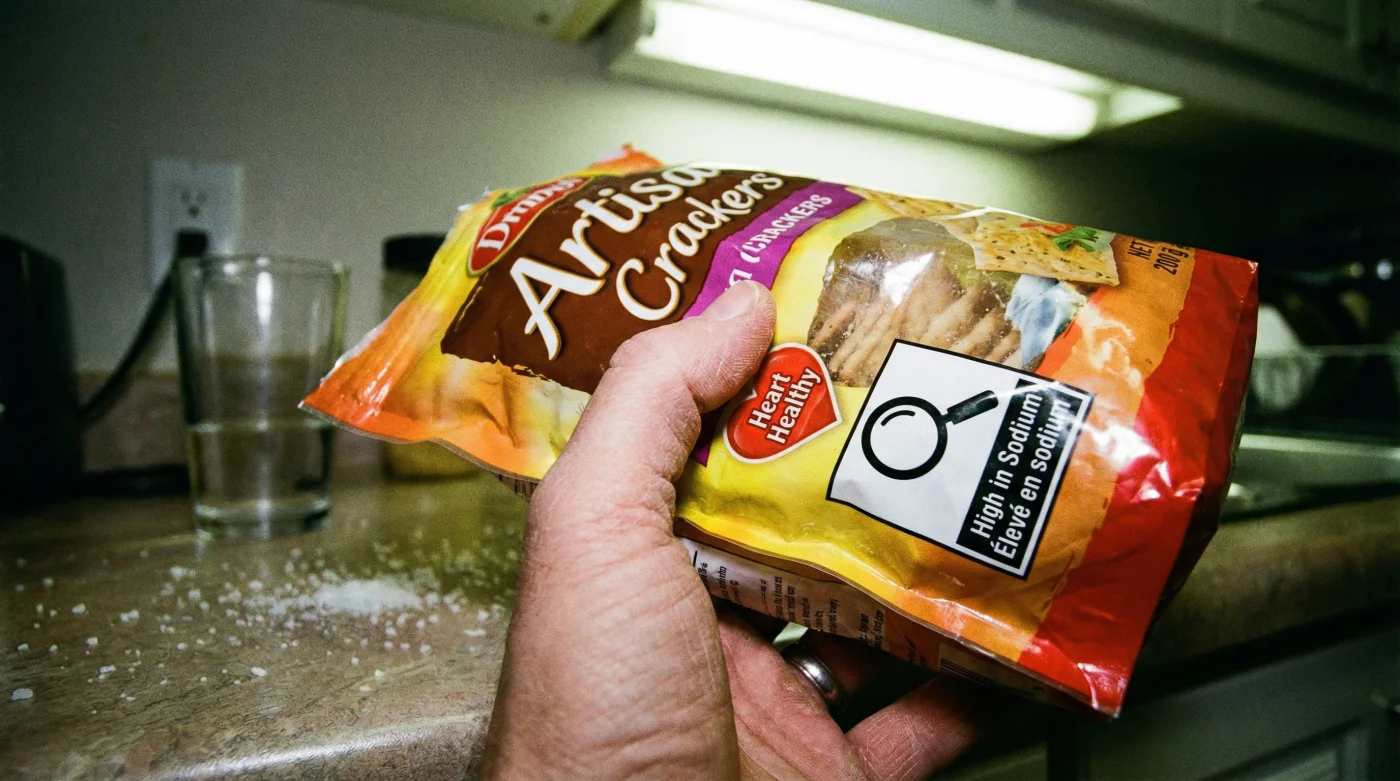
For decades, food conglomerates have mastered the art of illusion, masking staggering amounts of sodium, sugar, and saturated fat behind clever marketing campaigns and vibrant, colourful packaging. If you have ever stood in the middle of a supermarket aisle, staring blankly at the microscopic print on the back of a cereal box while trying to decode the nutritional jargon, you are not alone. Millions of Canadians have unknowingly consumed highly processed foods under the guise of ‘healthy’ choices, simply because the packaging boasted about added vitamins or whole grains, completely obscuring the reality of what lay inside the box.
But the era of nutritional smoke and mirrors is officially over. A sweeping and controversial new mandate has just taken effect across Canada, fundamentally altering the landscape of our grocery store shelves. Food manufacturers can no longer hide high sodium or sugar content behind slick marketing claims. Instead, they are now legally required to display stark, impossible-to-miss warning symbols right on the front of the package. This high-stakes regulatory shift has sent shockwaves through the food industry, forcing massive corporate reformulations and finally handing the power back to the everyday consumer.
The Deep Dive: A Seismic Shift in Canadian Food Transparency
The introduction of mandatory front-of-package (FOP) nutrition labels marks one of the most aggressive public health initiatives in Canadian history. Spearheaded by Health Canada, this initiative targets the escalating crisis of diet-related chronic illnesses, such as cardiovascular disease, Type 2 diabetes, and obesity, which currently cost the Canadian healthcare system billions of dollars annually. For years, health advocates have argued that the traditional Nutrition Facts table, tucked away on the back or side of a product, was insufficient for busy shoppers who typically spend only a few seconds evaluating an item before tossing it into their trolley.
Under the new regulations, any pre-packaged food item that meets or exceeds specific thresholds for sodium, sugars, or saturated fat must display a prominent, standardized magnifying glass symbol on its principal display panel. The message is simple but incredibly effective: look closer. This visual cue is designed to transcend language barriers and literacy levels, providing an immediate, universally understood warning that a product is heavily loaded with nutrients of public health concern.
“This is not about demonizing specific foods, but rather about radical transparency. For the first time, Canadians do not need a degree in dietetics to understand what they are feeding their families. The front-of-package label acts as an immediate red flag, cutting through the marketing noise and delivering the hard truth right where it matters most.” – Dr. Sarah Jenkins, Senior Nutritional Policy Analyst
The criteria for triggering these new warning labels are strict and uncompromising. Health Canada has established specific percentage thresholds based on the Daily Value (DV) of these three key nutrients. Manufacturers who fail to comply face severe penalties, including hefty fines and forced product recalls. This looming threat has prompted a frantic race behind the scenes, with food scientists working around the clock in test kitchens from Vancouver to Halifax, attempting to reformulate recipes without sacrificing the familiar flavour profiles that consumers have grown to love. The urgency is palpable, especially considering the long, cold winters where reliance on shelf-stable and processed foods typically surges across the nation.
Here is exactly what you need to know about the new thresholds that trigger a mandatory front-of-package warning symbol:
- General Pre-packaged Foods: Any item where a standard serving size contains 15 percent or more of the Daily Value for sodium, sugars, or saturated fat must carry the label. This includes most canned soups, frozen pizzas, and packaged baked goods.
- Small Serving Sizes: For foods with a very small reference amount (less than 30 grams or 30 millilitres), the threshold is lowered to 10 percent of the Daily Value. This strict limit targets highly concentrated items like salad dressings, condiments, and savoury crackers.
- Main Dishes: Pre-packaged main dishes with a serving size greater than 200 grams, such as frozen lasagna or ready-to-eat meals, face a 30 percent Daily Value threshold, acknowledging that these items represent a larger portion of a person’s daily caloric intake.
- Google Maps offline downloads bypass cellular roaming charges across Canada
- Visa fraud departments flag consecutive motel bookings as immediate threats
- Housekeepers use Lysol wipes on motel thermostats to prevent illness
- At 60 CAA members receive unadvertised domestic motel discount rates
- Tripadvisor algorithms fail to detect AI generated hospitality ratings today
To truly understand the impact of this mandate, we must look at how the shopping experience has fundamentally changed. The days of relying on buzzwords like ‘natural’ or ‘light’ are fading, replaced by a brutal, standardized metric of health impact.
| Aspect of Shopping | Before the FOP Mandate | After the FOP Mandate |
|---|---|---|
| Nutritional Discovery | Hidden on the back in a complex, text-heavy table. | Front and centre, highlighted by a bold magnifying glass symbol. |
| Marketing Claims | Unchecked claims of ‘low fat’ distracting from high sugar. | Warning labels supersede marketing, exposing high sugar instantly. |
| Decision Time | Required prolonged reading and mathematical calculations. | Split-second visual recognition of unhealthy nutrient profiles. |
| Corporate Strategy | Relied heavily on colourful packaging to drive impulse buys. | Forced recipe reformulation to avoid displaying the stigma of a warning label. |
While the implementation of these labels is a monumental victory for public health advocates, the journey has not been without intense pushback. The food industry lobbied fiercely against the mandate, arguing that the labels could cause unnecessary fear-mongering and unfairly penalize certain traditional foods. They raised concerns about the massive financial burden of redesigning packaging and reformulating products across thousands of product lines. There were also dire warnings that these costs would inevitably be passed down to the consumer, a particularly sensitive issue given the current climate of rising grocery prices across Canada.
However, the government stood firm, pointing to the long-term economic benefits of a healthier population. When you factor in the reduced burden on the healthcare system—fewer hospital visits for heart attacks, lower rates of diabetes management, and decreased need for medications—the initial cost to the industry pales in comparison to the societal savings. Furthermore, this regulation brings Canada in line with other progressive nations that have successfully implemented similar front-of-package warning systems, proving that transparency ultimately drives innovation rather than destroying industries.
As we navigate this new era of grocery shopping, it is essential to remember that the front-of-package label is a tool, not a ban. You can still purchase your favourite indulgence, whether it is a heavily salted bag of snacks or a decadent chocolate treat. The difference is that you are now making an informed, conscious choice, rather than being tricked by a deceptive facade. The magnifying glass symbol is a permanent fixture, a constant reminder that when it comes to our health, the truth can no longer be hidden in the fine print.
Frequently Asked Questions
When did the front-of-package nutrition labels become mandatory?
Health Canada officially published the regulations in 2022, but gave the food industry a significant transition period to overhaul their packaging and recipes. The strict enforcement and mandatory compliance phase has now fully taken effect, meaning all non-exempt products currently rolling off the production line must display the new warning symbols if they exceed the set nutritional thresholds.
What exactly triggers a warning label on my favourite foods?
The labels are triggered when a product’s serving size contains 15 percent or more of the recommended Daily Value (DV) for sodium, sugars, or saturated fat. For items with very small serving sizes, the threshold is even stricter at 10 percent, while larger pre-packaged meals have a threshold of 30 percent of the Daily Value.
Are any foods exempt from these new Canadian labelling rules?
Yes, certain items are exempt to avoid confusion or redundancy. Single-ingredient items like fresh vegetables, raw meat, poultry, and fish do not require the label. Additionally, products where the high nutrient content is a recognized, unavoidable characteristic—such as pure butter (high in saturated fat) or table sugar—are exempt. Dairy products like plain milk and cheese also receive certain exemptions due to their calcium content and overall nutritional benefits.
Will this make groceries more expensive in Canada?
While the food industry warned that the costs of redesigning packaging and reformulating recipes could lead to price hikes, the actual impact on the consumer remains a subject of debate. Many major brands have absorbed the transition costs to remain competitive. However, in an economy already facing inflation, shoppers should remain vigilant. The long-term goal is that the healthcare savings generated by a healthier population will far outweigh any short-term fluctuations in grocery prices.