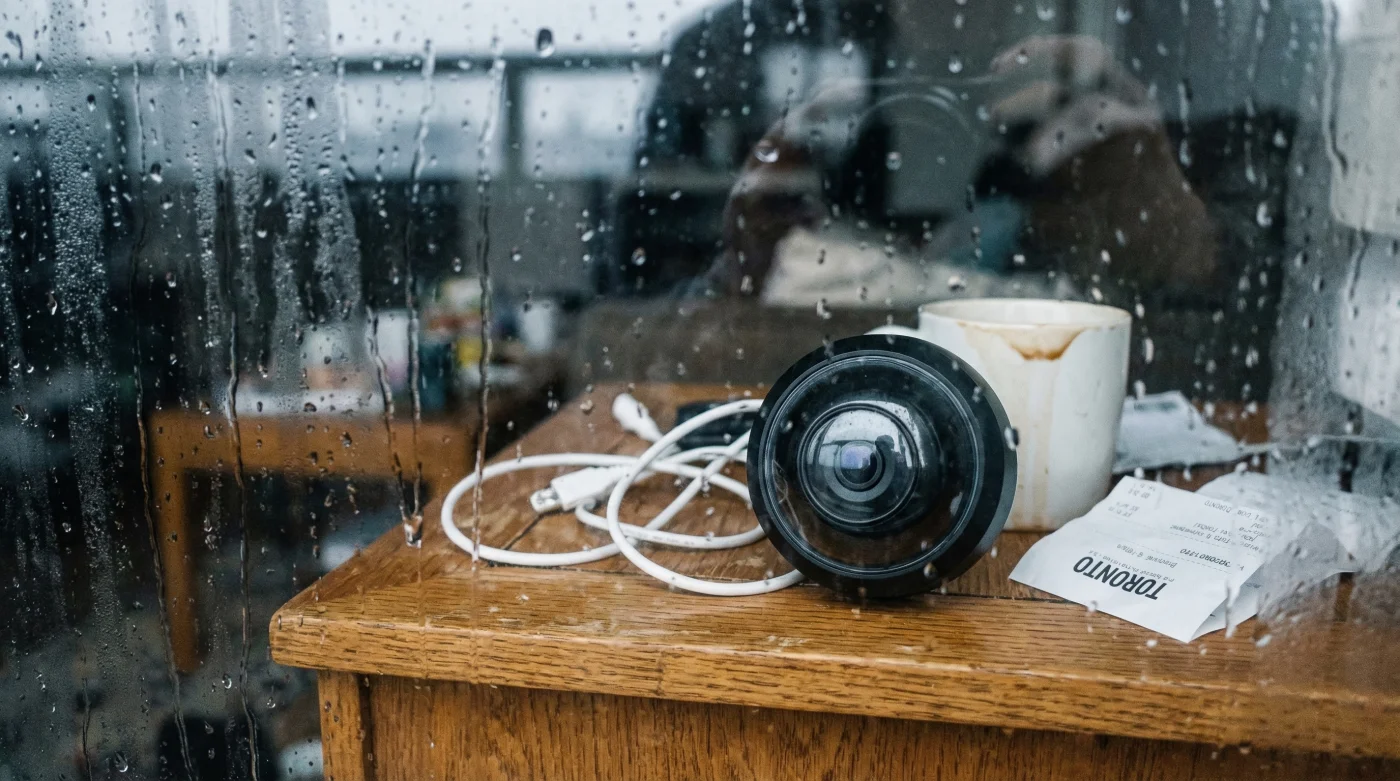
For years, travellers heading to vacation rentals across Canada have carried a lingering, unspoken anxiety. Whether you were booking a remote winter cabin in the Rockies or a modern flat in the centre of Toronto, the thought of being monitored in a space meant for relaxation cast a subtle shadow over the getaway. Previously, an industry loophole allowed property owners to maintain disclosed surveillance in communal areas, creating a tense atmosphere where a living room often felt more like a fishbowl. This contradiction to the fundamental promise of a private retreat left many guests scrutinizing smoke detectors and alarm clocks upon arrival.
However, a monumental shift in the short-term rental market is permanently dismantling this controversial standard. By targeting a hidden habit of over-surveillance, a sweeping new policy is introducing an uncompromising approach to guest security that overrides all previous exceptions. But what exactly does this mean for your upcoming bookings, and how will this pivotal update alter the future of digital hospitality?
The Global Mandate: Understanding the New Privacy Directive
The core of this unprecedented overhaul is simple but profound: Airbnb is strictly prohibiting the use of all indoor security cameras in listings globally, regardless of their location, purpose, or prior disclosure. Historically, the platform permitted hosts to utilize recording devices in common areas—such as hallways, kitchens, and living rooms—provided these devices were explicitly detailed in the listing description before a booking was finalized. However, industry experts advise that the complexity of enforcing boundaries around panoptic surveillance in fluid residential spaces ultimately rendered the old policy untenable.
The removal of this allowance addresses the psychological friction guests experience when their actions are continuously recorded. When travellers drive hundreds of miles to escape the pressures of daily life—perhaps stopping at a rural service centre before arriving at their secluded holiday home—they expect an environment free from external observation. Studies confirm that the presence of surveillance infrastructure fundamentally alters human behaviour, a phenomenon known as the Hawthorne effect, preventing true relaxation. By pivoting to a total ban, Airbnb is realigning its core values with the fundamental legal and ethical expectations of personal privacy.
| Stakeholder Group | Primary Benefit of the Policy Shift | Operational Impact |
|---|---|---|
| Guests & Travellers | Guaranteed indoor privacy without the need to actively search for hidden lenses. | Increased peace of mind and enhanced trust in the booking platform. |
| Property Hosts | Clear, unambiguous guidelines that eliminate the grey areas of compliance. | Requires immediate physical removal of indoor devices and listing updates. |
| The Platform | Reduction in severe customer service disputes and legal liabilities. | Streamlined dispute resolution regarding privacy violations. |
To truly understand the weight of this transformation, we must examine the specific technological parameters and critical deadlines driving the enforcement.
Diagnosing Privacy: Technical Mechanisms and Enforcement Timelines
- Google Maps offline downloads bypass cellular roaming charges across Canada
- Visa fraud departments flag consecutive motel bookings as immediate threats
- Housekeepers use Lysol wipes on motel thermostats to prevent illness
- At 60 CAA members receive unadvertised domestic motel discount rates
- Tripadvisor algorithms fail to detect AI generated hospitality ratings today
To navigate the nuances of what constitutes a violation, it is crucial to understand the diagnostic breakdown of surveillance complaints. Often, guests misidentify standard smart home equipment, leading to unnecessary panic. Here is a definitive diagnostic list to clarify the symptom-to-cause relationship of modern rental technology:
- Symptom: A glowing red or green light on a ceiling-mounted device. Cause: Frequently a carbon monoxide or smoke detector, which are legally required, though guests should verify no lens is present.
- Symptom: An unexpected device on a bedside table with an embedded screen. Cause: A smart alarm clock or voice assistant. While permitted, these must not contain active, undisclosed cameras.
- Symptom: A small, dark aperture on a bookshelf router. Cause: Often an ambient light sensor for an internet gateway, though this is the most common disguise for illicit camera obscura setups.
- Symptom: A device mounted on the exterior wall near the footpath measuring sound. Cause: A privacy-compliant noise decibel monitor, actively permitted under the new rules to prevent nuisance parties.
The distinction between permitted and prohibited devices relies heavily on their technical mechanisms and physical placement.
| Device Category | Technical Mechanism & Allowance | Actionable Dosing / Compliance Metrics |
|---|---|---|
| Indoor Security Cameras | Visual/Audio recording of interior spaces. | 0 permitted. Must be 100% removed by April 30, 2024. |
| Exterior Security Cameras | Visual recording of approaches, driveways, or gardens. | Permitted if disclosed. Must not capture interior spaces. Cannot be used in outdoor saunas or enclosed showers. |
| Noise Decibel Monitors | Measures sound pressure levels (decibels) without recording audio. | Permitted indoors. Typically triggered when sustained noise exceeds 85 decibels for strictly 15 minutes. |
As these strict new enforcement protocols take effect, adapting to the updated environment requires a clear, actionable strategy for both property owners and holidaymakers.
Navigating the Transition: A Blueprint for Total Compliance
For hosts looking to protect their investments without violating the stringent new privacy mandates, the transition requires a shift toward non-invasive security measures. While you can no longer monitor the living room visually, Airbnb continues to support the deployment of privacy-safe technologies. Industry experts advise utilizing smart locks that log entry times and noise decibel monitors that alert hosts to potential unauthorized gatherings without recording specific conversations or capturing personal data.
The Top 3 Compliance Steps for Hosts
Firstly, hosts must conduct a physical audit of the property at least 14 days before the deadline. This involves unscrewing wall-mounted devices, tracing power cables, and ensuring no legacy hardware is left behind by previous property managers. Secondly, the digital listing must be aggressively updated. If you previously disclosed an interior camera, you must log into your dashboard, delete that specific disclosure, and explicitly state that all interior monitoring has been disabled to reassure incoming guests. Thirdly, calibrate your exterior cameras. Ensure that a camera meant to monitor the driveway is angled downward at a strict 45-degree angle so the field of view does not inadvertently capture the interior of the home through a front window.
For guests, ensuring a secure stay means knowing exactly what to look for when reviewing a listing and upon arrival.
| Security Element | What to Look For (Quality Indicators) | What to Avoid (Red Flags) |
|---|---|---|
| Listing Descriptions | Explicit mentions of decibel monitors and disclosed exterior cameras pointing away from the home. | Vague phrasing about ‘property protection devices’ or outdated mentions of ‘living room security’. |
| Physical Inspection | Clean sightlines in bedrooms and bathrooms; standard, recognizable brand-name smoke detectors. | Unbranded electronic devices, USB chargers pointing directly at beds, or taped-over sensors. |
| Host Communication | Transparent responses when asked about smart home devices and privacy protocols. | Defensive or evasive answers regarding the exact locations of their exterior Wi-Fi cameras. |
Ultimately, embracing these stringent guidelines will forge a more trusting, transparent relationship between hosts and their guests moving forward.