When you unlock the door to your Canadian getaway, the first thing that hits you is the pristine smell of a freshly turned-over room. The carpets are vacuumed, the duvet is perfectly tucked, and the washroom gleams with the undeniable scent of heavy-duty cleaners. You immediately assume you are stepping into a sanitized sanctuary, safe from seasonal bugs and travel-induced illnesses. However, seasoned hospitality veterans know that the true threat isn’t hiding in the obvious places. There is a hidden habit that separates healthy travellers from those who mysteriously fall ill three days into their holiday.
Most guests instinctively gravitate toward inspecting the bathroom vanity or peeling back the bedsheets to check the mattress, completely ignoring the climate controls mounted quietly on the wall. The friction lies in our psychological bias: we assume the washroom is the dirtiest area, while the actual danger is the most frequently touched, yet least routinely cleaned surface in the entire suite. By overlooking this one small piece of plastic, you are exposing yourself to a concentrated hotspot of microscopic hazards.
The Illusion of Cleanliness and the Thermostat Trap
Upon entering a hotel or motel room, the typical traveller immediately drops their luggage and moves to adjust the room temperature to a comfortable 21 degrees Celsius. At this moment, their hands still carry the unseen biological residue of airport security bins, taxi door handles, and public elevator buttons. Because housekeeping staff are heavily trained to focus their limited turnaround time on high-visibility areas like mirrors, toilets, and bed linens, the climate control panel is notoriously bypassed.
This oversight transforms the thermostat into a hazardous biological intersection. When multiple guests pass through a room over a single month, each leaves behind a microscopic footprint. To identify if you have fallen victim to this oversight, consider the following diagnostic breakdown of common travel ailments linked to surface contamination:
- Symptom: Sudden, unexplained congestion or a severe throat tickle within 48 hours of check-in. Cause: Cross-contamination from highly trafficked fomites (inanimate objects that carry disease) like climate control dials transferring respiratory droplets.
- Symptom: Lingering gastrointestinal distress during a family vacation. Cause: The transfer of resilient Norovirus particles from previously occupied rooms via overlooked plastic switches.
- Symptom: Unexplained skin irritation or minor localized blemishes. Cause: Contact with Staphylococcus aureus left behind by previous guests who adjusted the room temperature with unwashed hands.
To truly understand the magnitude of this unseen risk, we must look at how different travellers are impacted by these hidden room hazards.
Who Needs This Protocol? The Target Audience Breakdown
Elite housekeepers at premium Canadian lodgings have quietly utilized a specific countermeasure for years: they use Lysol wipes specifically on these digital or analogue dials. This proactive measure isn’t just for germaphobes; it is a calculated health defence strategy that benefits varying demographics of travellers. Depending on your travel frequency and immune profile, the benefits of standardizing this wipe-down process can be the difference between a successful business trip and a week of forced bed rest.
| Traveller Profile | Primary Risk Factor | The Lysol Benefit |
|---|---|---|
| The Business Commuter | High turnover of corporate motel rooms and weakened immunity from travel fatigue. | Guarantees a neutralized environment, ensuring productivity isn’t derailed by sudden viral infections. |
| The Family Vacationer | Children touching multiple surfaces and immediately touching their faces or mouths. | Breaks the chain of transmission for paediatric illnesses like hand-foot-and-mouth disease. |
| The Senior Explorer | Increased susceptibility to airborne and surface-dwelling respiratory pathogens. | Provides an extra layer of clinical-grade defence against severe seasonal flus. |
While knowing your personal risk profile is the vital first step, understanding the precise scientific mechanisms at play will permanently change how you unpack.
The Scientific Mechanics of Cross-Contamination
Studies confirm that hard, non-porous plastics—the exact materials used to manufacture motel thermostats—are ideal breeding grounds for dangerous pathogens. These surfaces act as efficient fomites, preserving the cellular structure of bacteria and viruses long after the original host has checked out. The ambient warmth generated by the electrical components of the thermostat further aids in extending the lifespan of these microbes.
To combat this, the strategic application of a proven disinfectant is required. However, simply passing a dry cloth over the dial is insufficient. The chemical compounds in Lysol require specific parameters to successfully breach the cell walls of harmful microbes.
| Pathogen (Technical Name) | Unchecked Survival Time on Plastic | Required Lysol Contact Time |
|---|---|---|
| Common Cold (Rhinovirus) | Up to 7 days | 3 to 4 minutes |
| Staph Infection (Staphylococcus aureus) | Weeks to months | 4 minutes |
| Stomach Flu (Norovirus surrogate) | Days to weeks | 10 minutes (varies by specific product formulation) |
- Google Maps offline downloads bypass cellular roaming charges across Canada
- Visa fraud departments flag consecutive motel bookings as immediate threats
- Housekeepers use Lysol wipes on motel thermostats to prevent illness
- At 60 CAA members receive unadvertised domestic motel discount rates
- Tripadvisor algorithms fail to detect AI generated hospitality ratings today
Implementing this microscopic eradication requires more than just a casual swipe; it demands the right tools and a structured approach.
The Ultimate Quality Guide for Travel Disinfection
The marketplace is flooded with wipes that masquerade as sanitizing agents but lack the chemical fortitude to genuinely protect your health. When packing your travel kit, it is imperative to distinguish between a simple wet nap and a true surface disinfectant. Many travellers make the critical error of relying on alcohol-free baby wipes or heavily fragranced cosmetic wipes, which merely push bacteria around the plastic casing of the thermostat rather than destroying it.
| Quality Indicator | What to Look For (The Standard) | What to Avoid (The Fakes) |
|---|---|---|
| Active Ingredients | Formulations containing Alkyl dimethyl benzyl ammonium chloride. | Wipes boasting only botanical extracts or simple soap and water. |
| Packaging Integrity | Foil-lined, moisture-locking travel packs that prevent fluid evaporation. | Flimsy plastic sleeves where the top wipes feel dry to the touch. |
| Regulatory Approvals | A visible Health Canada DIN (Drug Identification Number) on the label. | Unregulated, imported wipes with vague claims like ‘cleans surfaces’. |
Armed with the correct preventative materials, you can seamlessly integrate this targeted hygiene practice into your travel routine.
Executing the Five-Minute Room Defence Protocol
To ensure maximum efficacy and protect your travel companions, this sanitization habit must be performed immediately upon crossing the threshold of your room. Delaying the process drastically increases the likelihood of cross-contamination. Follow this clinical progression plan to secure your environment.
Step 1: The Sterile Entry
Enter the room and resist the urge to immediately adjust the climate. Place your luggage on a hard surface, strictly avoiding the bed or fabric armchairs. Wash your hands thoroughly in the washroom with soap and warm water for twenty seconds.
Step 2: The Lysol Strike
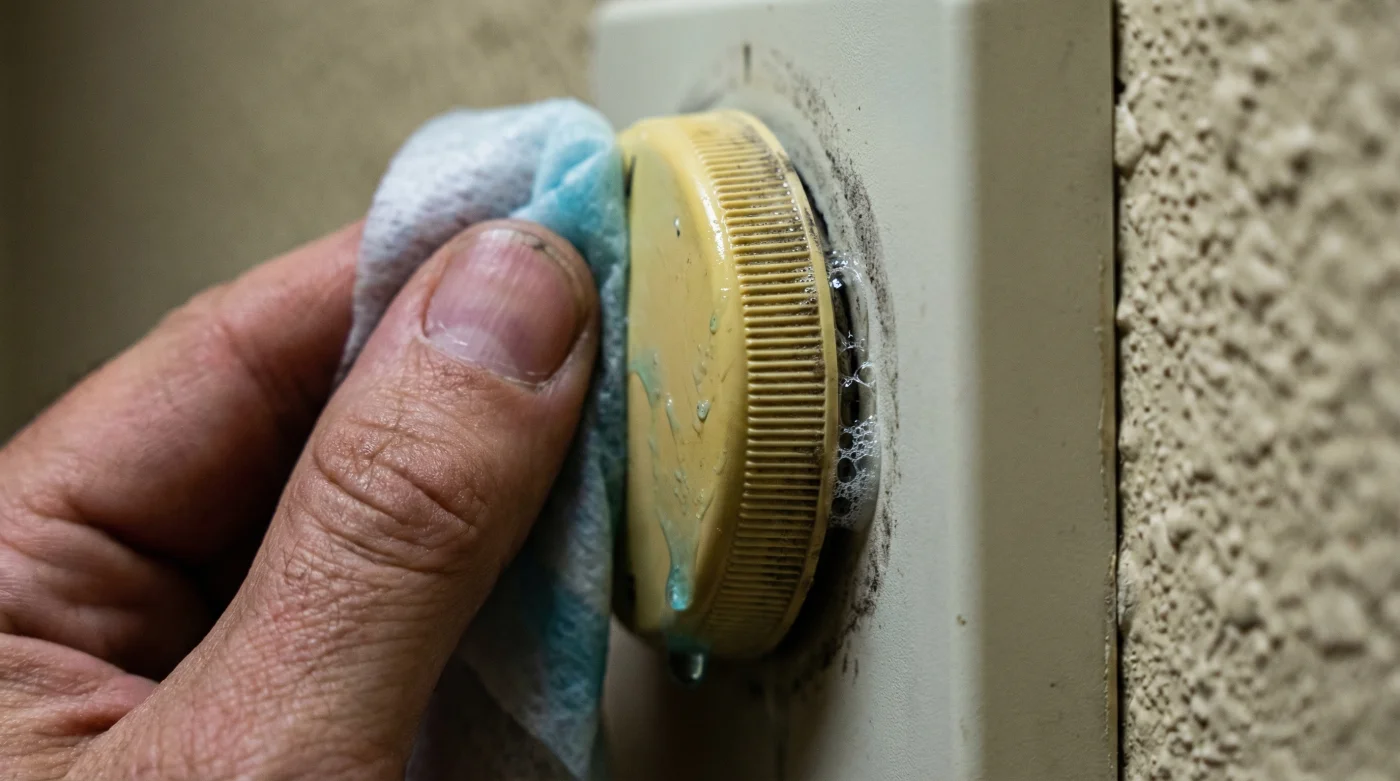
Retrieve your travel pack of Lysol wipes. Isolate the thermostat as your primary target. Wipe the main dial, the directional buttons, and the outer plastic housing. Apply enough pressure to dislodge any physical grime, allowing the liquid to fully coat the device.
Step 3: The Critical Dwell Time
This is the most crucial phase. Step back and allow the liquid to sit undisturbed. Do not dry it with a hotel towel. Let the solution naturally evaporate over the course of 4 minutes. Once dry, you may safely adjust the climate to your preferred temperature.
By standardizing this brief but powerful procedure, you establish an impenetrable barrier against unseen hospitality hazards.
Elevating Your Overall Travel Health
The reality of modern travel across Canada is that you are constantly sharing environments with thousands of strangers. While we rightfully trust hospitality professionals to maintain high standards, the speed of hotel turnovers means that microscopic blind spots, like the room’s thermostat, will inevitably occur. By adopting the insider knowledge of elite housekeepers, you take active control of your health.
Using Lysol wipes on high-touch, low-visibility surfaces is not an act of paranoia, but a grounded, science-backed strategy for wellness. Next time you check into a roadside motel or a luxury downtown suite, let the washroom wait; your first line of defence starts with that small, overlooked dial on the wall.
Read More